Enhance your brain health
Brain health over the lifespan

20- to 30-year-olds
Peak Performance & Foundation Building
Cognitive Changes:
- Maximum processing speed
- Peak working memory
- Excellent learning ability
- Strong neural plasticity
Key Recommendations:
- Establish healthy lifestyle habits
- Build cognitive reserve through learning
- Maintain social connections
- Regular physical exercise

40- to 50-year-olds
Adaptation & Maintenance
Cognitive Changes:
- Slightly slower processing
- Minor memory decline
- Stable reasoning skills
- Lower neural plasticity
Key Recommendations:
- Prioritize healthy routines
- Keep learning new skills
- Manage stress and sleep
- Stay active and connected

60- to 70-year-olds
Preservation & Support
Cognitive Changes:
- Noticeable slowing in recall
- Reduced multitasking ability
- Stable knowledge base
- Lower adaptability
Key Recommendations:
- Protect heart and brain health
- Practice memory exercises
- Maintain strong social ties
- Stay physically active

80 years old and above
Resilience & Quality of Life
Cognitive Changes:
- Slower information processing
- Weaker short-term memory
- Stronger reliance on experience
- Increased variability in focus
Key Recommendations:
- Prioritize safety and routine
- Engage in gentle mental activity
- Foster emotional connections
- Maintain mobility and balance
The core pillars of brain health management
How do we measure and perceive the change in our brains and cognitive abilities over time?


Action
Take positive actions for your brain health with our curated ecosystem of products, supplements, and interventions.

Measurement
Understand where you are with products like xponetiq

Efficacy
Measure the effectiveness of brain health products and track your unique brain health journey over time.
These interventions have scientific evidence supporting their role in maintaining and improving brain health. The impact level reflects the strength of current research.
Evidence-based interventions
Physical Exercise
HighAerobic exercise increases BDNF and promotes neurogenesis
Quality Sleep
HighEssential for memory consolidation and brain waste clearance
Mental Stimulation
Medium-HighCognitive challenges build neural connections and reserve
Social Connections
HighSocial interaction stimulates multiple brain networks
Nutrition
MediumBrain-healthy diet supports cognitive function
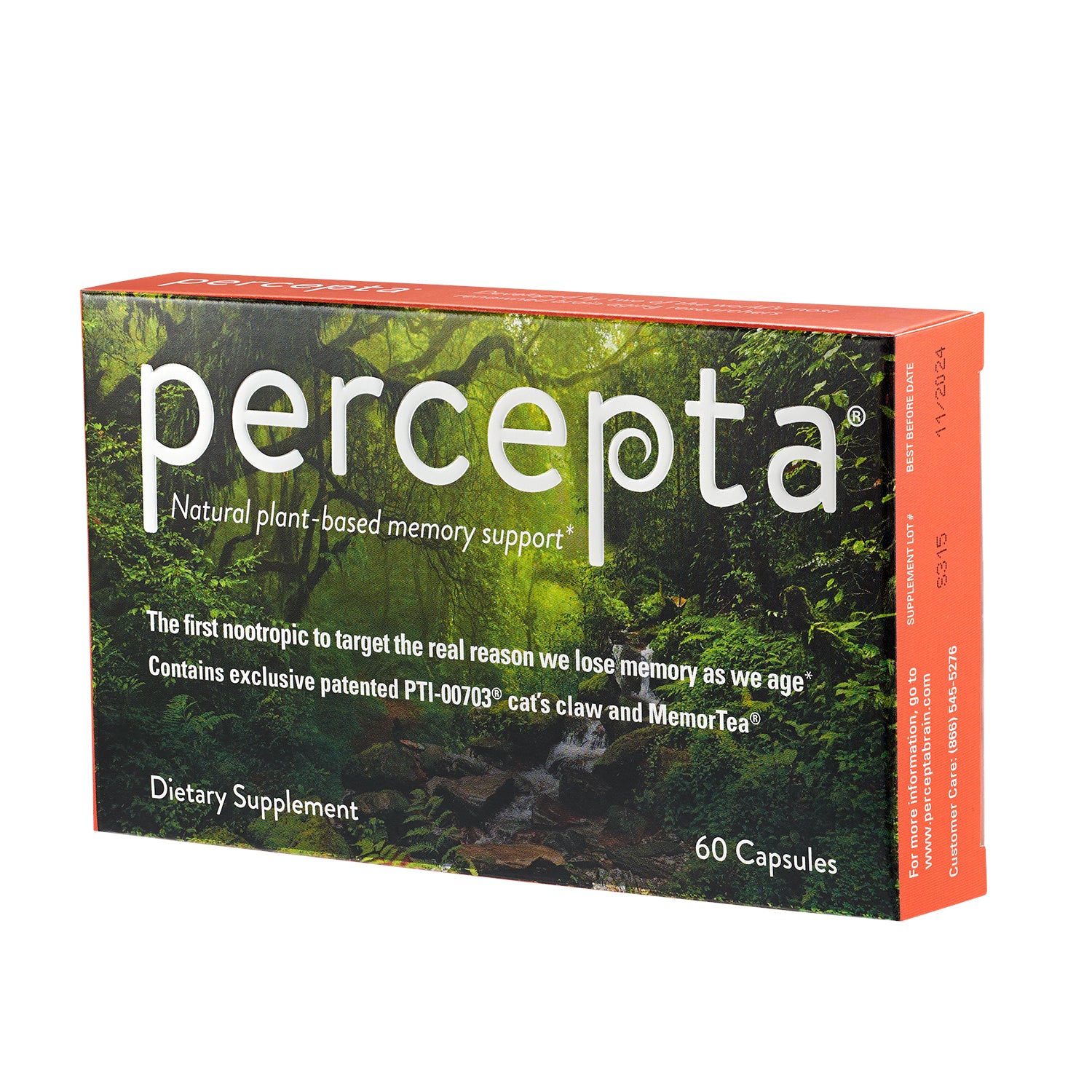
Targeted Supplements
VariableSpecific compounds may support brain health
Solutions for lasting brain health